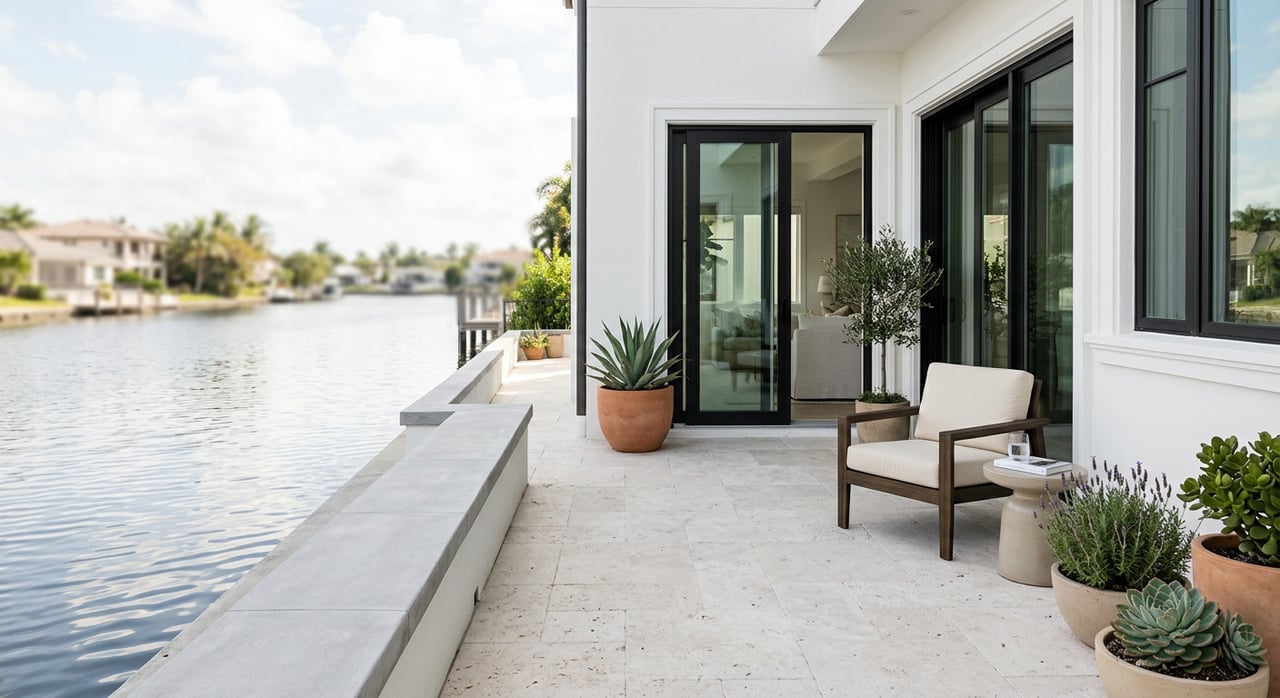
That sparkling lagoon view might be worth every penny. But what does it really cost to live on the water in Foster City? If you love paddleboarding at sunrise and evening walks along the shoreline, you also want a clear picture of purchase prices, monthly fees and long-term upkeep. In this guide, you’ll learn the true cost components of waterfront living, how insurance and the levee affect your budget, and the due diligence steps that help you buy with confidence. Let’s dive in.
Foster City waterfront at a glance
Foster City is built around a man-made lagoon system that covers hundreds of acres and offers about 16.5 miles of shoreline for paddle sports, walking and small-boat activity. The City actively manages water levels, algae and beach monitoring to support recreation and flood control. You can read the City’s Lagoon Management Plan for details on operations and shoreline care in the City of Foster City lagoon plan.
If you own on the water, you may have responsibilities for the shoreline next to your parcel. That can include maintaining bulkheads, banks and any private dock. The City notes these owner duties in its lagoon system materials, which you can review on the lagoon system page.
What draws buyers here is the lifestyle. You get public beaches and parks, paddleboarding and kayaking, windsurf lessons at Leo J. Ryan Park, waterfront HOA amenities like pools, clubhouses and private launches, and a loop of trails that make everyday life feel like a staycation. The lagoon system is a core part of that experience, and it is part of what you pay for when you choose a waterfront address.
What the waterfront premium looks like
Waterfront homes in Foster City tend to trade above non-waterfront homes with similar size and finish. Market levels move, so it helps to anchor the current picture to a date and source.
- Citywide pricing snapshot: Redfin reports a Foster City median sale price of about $1,548,750 as of February 2026. Zillow’s typical home value index shows a higher number at roughly $1.86 million as of February 28, 2026. Different indices and timing explain some of the gap. Use these as broad markers, then look at recent comps for your specific neighborhood and property type.
- Condos: Non-waterfront condos often sit in the mid-to-high six-figure to low seven-figure range citywide. Waterfront condos usually command more due to views, access and amenities.
- Townhomes: Waterfront townhomes commonly trade from the low $1 millions to above $2 million, depending on location, size and whether there is direct lagoon access.
- Single-family lagoon-front homes: These can range from the upper $1 millions into the multi-million range on larger lots or fully renovated homes.
The takeaway: the view adds value, but what you actually pay each month depends on HOA fees, insurance and ongoing maintenance. That is where smart budgeting makes a real difference.
HOA fees and what they cover
Many waterfront condos, townhomes and some island neighborhoods are part of homeowners associations. Fees vary widely by complex, unit size and included services. A practical range you will see in recent listings is roughly $300 per month on smaller units up to $800 to $1,000 or more on larger or amenity-rich waterfront buildings.
What HOAs often include:
- Exterior and common-area maintenance
- Roof and building insurance for common areas
- Landscaping, trash and sometimes water or cable for common areas
- Pools, hot tubs, fitness rooms and clubhouses
- Waterfront features such as private docks, beaches or launches
Before you buy, request the full HOA packet to review the budget, reserve study, CC&Rs and any history of special assessments. Amenities like docks and bulkheads are expensive to repair, so healthy reserves matter.
Insurance made simple: flood, homeowners and earthquake
Standard homeowners insurance typically does not cover flood damage. The California Department of Insurance highlights this point and recommends that buyers consider separate flood insurance when appropriate. You can review their guidance in the California Department of Insurance alert.
Whether a lender requires flood insurance depends on your property’s FEMA flood zone and the type of mortgage. Properties mapped inside a Special Flood Hazard Area, such as Zones A or V, generally require flood insurance with a federally backed loan. You can look up a specific address on the FEMA Flood Map Service Center.
Foster City also completed a major Levee Improvements Project in February 2024 to raise and strengthen shoreline protection with the goal of preserving FEMA accreditation. The City’s updates are available on the Levee Improvements Project page. Even with levee upgrades in place, always confirm the current FEMA panel for your address because map designations can change.
Practical tips:
- Start insurance quotes early. Flood policies through NFIP or private carriers often have a 30-day waiting period, so timing matters.
- Ask for homeowners, flood and earthquake quotes at the same time. Earthquake coverage is separate in California and pricing depends on dwelling value, construction and deductible.
- Expect premiums to vary by address, elevation and coverage limits. There is no single “Foster City rate.”
Maintenance and one-time costs most buyers miss
Living on the water is special, but it comes with upkeep that inland homes may not have. Plan for the following:
- Shoreline, bulkhead and dock care. Property owners are typically responsible for the shoreline directly adjacent to their parcels, including bulkheads and private docks. Ask for repair records, permits and inspection reports. See the City’s notes on owner responsibilities on the lagoon system page.
- Corrosion and weathering. Salt air can increase wear on exterior paint, metal fasteners, railings and some mechanical systems. Expect slightly more frequent maintenance cycles.
- HOA special assessments. Waterfront amenities and infrastructure are costly to repair. Review reserve studies and HOA meeting minutes to gauge future risk.
The right due diligence will tell you whether you face near-term costs or a smoother path ahead.
Permits for shoreline and dock work
Shoreline changes, seawalls, docks and similar projects often require permits from regional agencies in addition to the City. The San Francisco Bay Conservation and Development Commission (BCDC) oversees shoreline work around the Bay. You can explore their permit process and recent activity in the BCDC permit application tracker. If you plan improvements, factor in permit timelines and consultant costs.
Your due diligence game plan
During escrow, request and review these items so you know exactly what you are buying:
- HOA packet. Budget, financials, reserve study, CC&Rs, rules and recent meeting minutes. Look for notes on bulkheads, docks or lagoon-side repairs.
- Seller disclosures. Any history of flooding, shoreline repairs, insurance non-renewals or claims.
- Elevation Certificate and FEMA map panel. Use the FEMA Flood Map Service Center to confirm the current zone for the specific address.
- Inspections focused on the waterfront. Ask for bulkhead, seawall and dock inspections, plus permits and contracts for past work.
- Insurance quotes. Obtain flood, homeowners and earthquake quotes for the property. Confirm waiting periods and lender requirements. The California Department of Insurance guidance explains why flood is separate.
- City and levee documentation. If you are relying on local flood protection, request as-built information and accreditation records from the City. Start with the Levee Improvements Project page to understand the program’s scope and timeline.
Three questions to ask before you fall in love
- What does the HOA cover, and what is mine? Know whether the HOA maintains any shoreline features, and what remains your responsibility.
- Do I have current flood data for this address? Confirm the FEMA zone and, if available, review an Elevation Certificate to understand risk and insurance implications.
- Has the bulkhead or dock been inspected recently? Ask for inspection dates, photos and repair records so there are no surprises.
How to budget for monthly reality
Use this checklist to build a realistic monthly and annual budget for a waterfront home:
- Mortgage and property taxes based on your purchase scenario
- HOA dues, including any variable utilities billed through the HOA
- Homeowners insurance plus earthquake coverage
- Flood insurance, if required by your lender or recommended based on risk
- Routine maintenance set-aside for salt-air exposure and exterior care
- Periodic shoreline expenses, such as bulkhead, dock or bank work
- A reserve for potential HOA special assessments
A clear, line-by-line budget will show you whether a specific home fits your goals today and over the long term. It also positions you to act quickly when the right property hits the market.
Why the levee matters to buyers
Foster City’s levee improvements, completed in February 2024, were designed to strengthen shoreline protection and preserve FEMA accreditation. This matters because FEMA map designations influence lender requirements for flood insurance. The City provides background and updates on the Levee Improvements Project page. Even so, flood risk and insurance decisions are specific to each property. Always verify the current FEMA map for the address you are considering and consult your lender and insurance professional early.
Shop the waterfront with confidence
Waterfront living in Foster City delivers a resort-like lifestyle close to the Peninsula’s job hubs. If you plan for the real costs, review HOA and shoreline details and confirm insurance early, you will be ready to move with clarity and confidence. If you want a second set of eyes on HOA reserves, flood maps and bulkhead records, or you need help aligning a purchase with your long-term financial plan, the Heather Lin Real Estate Team is here to help.
FAQs
What costs are unique to a Foster City waterfront home?
- Beyond mortgage and taxes, plan for higher HOA fees in amenity-rich buildings, separate flood insurance if required, and potential shoreline costs such as bulkhead or dock maintenance.
How do I check if a Foster City address needs flood insurance?
- Look up the address on the FEMA Flood Map Service Center, then confirm lender requirements and obtain quotes. Standard homeowners insurance does not cover flood.
Does the Foster City levee mean I can skip flood insurance?
- Not necessarily. The levee improvements aim to preserve FEMA accreditation, but requirements depend on your specific FEMA zone and lender. Verify current maps and get quotes.
What should I look for in HOA documents for a waterfront condo or townhome?
- Review the budget, reserve study and meeting minutes for notes on shoreline, docks and bulkheads, plus any planned special assessments or major repairs.
Who maintains a private dock or seawall behind a home?
- Property owners are typically responsible for the shoreline adjacent to their parcels, including bulkheads and private docks. Confirm responsibilities in HOA and City materials.
Do shoreline improvements require special permits in Foster City?
- Often yes. Many shoreline or dock projects require regional permits. Start by reviewing the BCDC permit application tracker and consult the City early in your planning.