Thinking about selling your Redwood City home and aiming for offers that are both higher and cleaner? You are not alone. The local market still sees well‑presented homes attract multiple bids, but the best results come from smart prep, sharp pricing, and a clear offer review plan. In this guide, you will learn exactly how to prepare, price, market, and negotiate so you can choose the right buyer with confidence. Let’s dive in.
Redwood City market at a glance
As of early 2026, Redwood City remains moderately competitive. Typical listings see a median sale price around $1.9 million, about three offers on average, and a median of roughly 39 days on market. Neighboring San Mateo County shows wider variation in both price and inventory, so city‑level insights are more useful for your decision‑making. Even within Redwood City, neighborhoods like Emerald Hills (94062), downtown condos, and Bair Island townhomes perform differently, so work from micro‑market data, not headlines.
Best time to list
Spring tends to be the strongest selling window for both price and multiple‑offer activity, with a secondary window in early fall. Here on the Peninsula, this pattern is influenced by tech hiring cycles and local school calendars. If you can, plan your prep over winter and aim for a spring list date to maximize buyer competition. Your agent can confirm the best week for your specific neighborhood using recent MLS activity.
Disclosures that build buyer confidence
California requires robust disclosures, and getting them ready early reduces risk and increases trust. You must complete the Transfer Disclosure Statement for most 1 to 4 unit residential sales, which outlines known material facts about the property’s condition under Civil Code Section 1102. The Natural Hazard Disclosure alerts buyers to flood, fire, or seismic risks and is required under Civil Code Section 1103. Delivering a complete package up front narrows rescission windows and helps buyers write stronger, cleaner offers.
Disclosure checklist
- Transfer Disclosure Statement (TDS) under California Civil Code Section 1102
- Natural Hazard Disclosure (NHD) under California Civil Code Section 1103
- Seller Property Questionnaire (SPQ)
- Lead‑based paint disclosure if the home was built before 1978
- Permit history and any open permit documentation
- HOA documents if applicable (budget, reserves, rules, meeting minutes)
Pre‑listing inspections and permits
A seller’s home inspection and a pest inspection help you find issues on your timeline and reduce surprises during escrow. When buyers see recent reports and repair receipts, they feel more confident and often write with shorter or even waived inspection periods. Research your permit history and close out any open permits before listing. Unpermitted work is a common escrow obstacle on the Peninsula, and handling it early protects your leverage. Your agent can help you pull records and assemble a clean property packet. Guidance and forms often draw on industry checklists like those summarized in this C.A.R. forms overview.
Prep that moves the needle
Prioritize fixes that affect safety, habitability, or loanability. Address active leaks, major electrical issues, or moisture problems flagged by your inspection. Handle what is feasible, then disclose the rest with documentation.
Staging matters. In a national study from the National Association of REALTORS, 81 percent of buyers’ agents said staging makes it easier for buyers to visualize the property. Agents also report staging can reduce time on market and increase offer amounts. Focus on the living room, kitchen, and primary bedroom first, and consider targeted staging if you are budget conscious. See the NAR staging data for cost ranges and impact in the 2023 Profile of Home Staging.
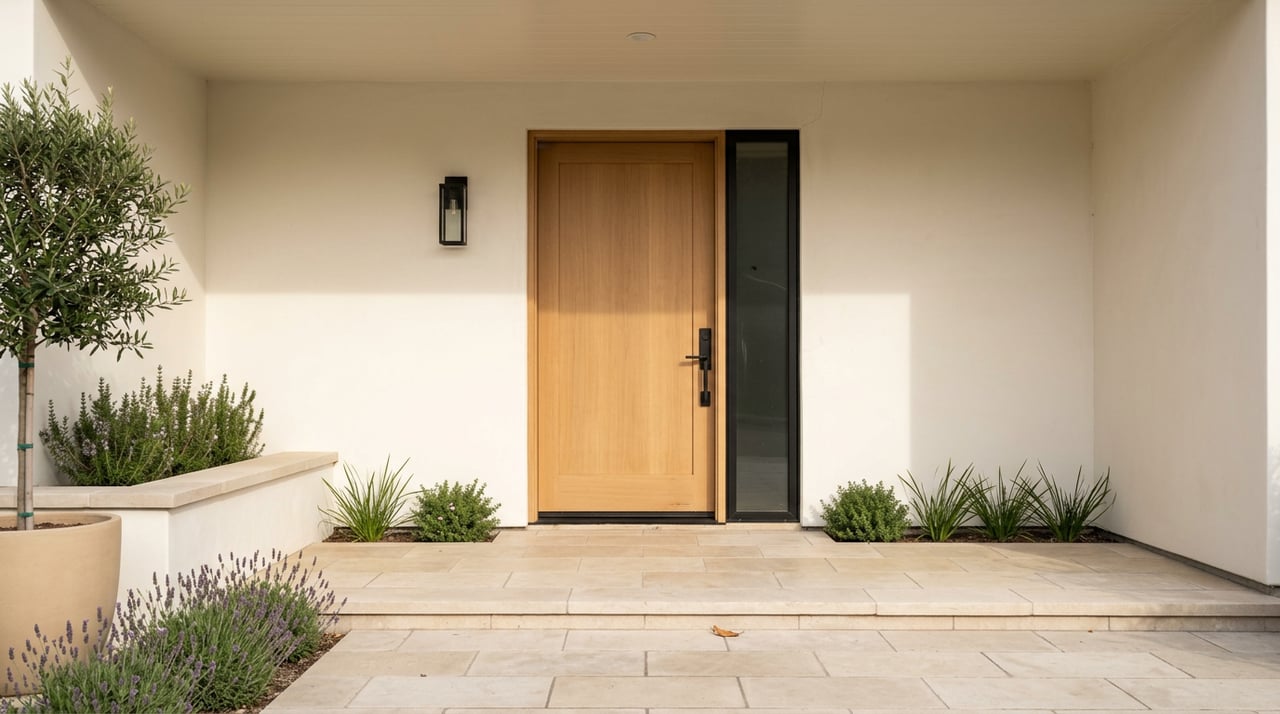
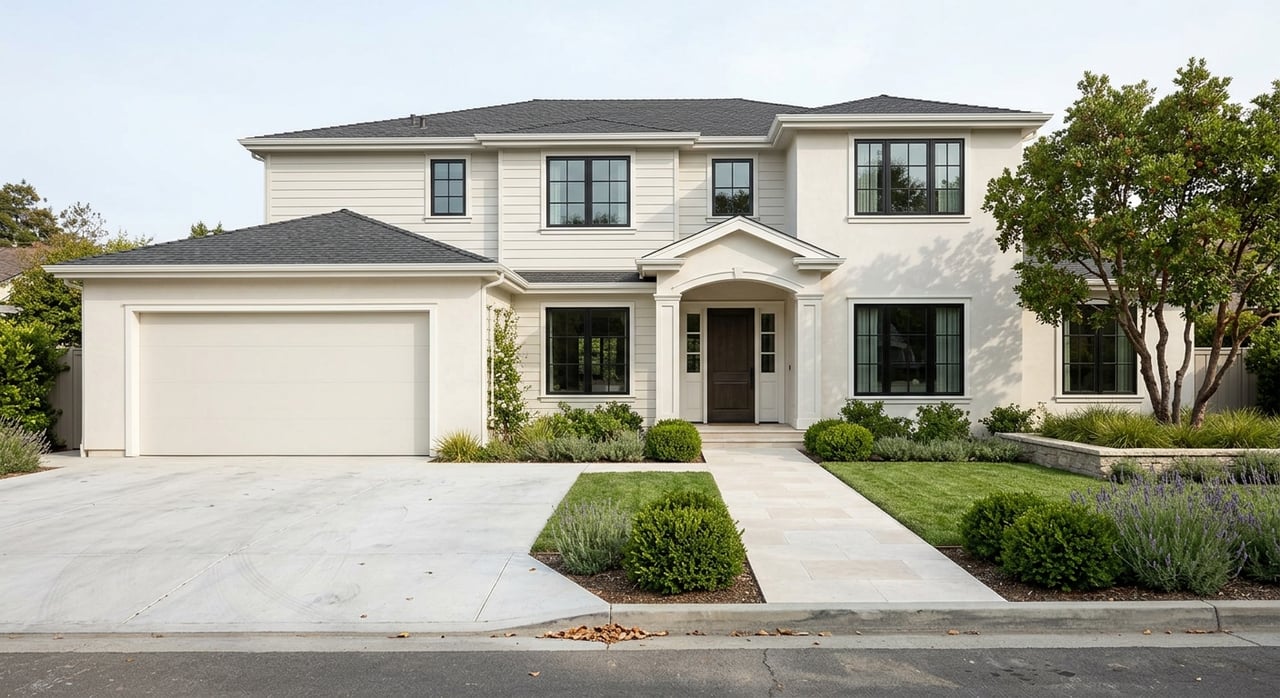
Lean into high‑ROI light updates. Neutral interior paint, modern light fixtures, fresh cabinet hardware, tidy landscaping, and curb appeal touch‑ups often deliver more back than they cost. Bay Area appraisal perspectives suggest minor exterior refreshes and modest kitchen updates are frequent winners at resale. For regional ROI context, review this Bay Area renovation ROI analysis.
Pricing and launch strategy
Set a price that invites competition. In many Redwood City submarkets, a well‑priced or slightly under‑market list price, paired with strong marketing, attracts more qualified buyers in a shorter window. Decide on a mid‑week list date, host your first weekend of open houses, then target a clear offer review date 3 to 7 days after going live. Your agent should use recent neighborhood comps, days on market, and showing activity to pinpoint the right price band.
Smart marketing checklist
- Professional photography and a detailed floor plan
- 3D virtual tour for remote and relocation buyers
- MLS listing with a polished property description
- Broker preview and targeted social ads that reach likely commute corridors
- A clean property packet at the ready, including inspection reports, permit ledger, NHD, and major repair receipts
This approach helps buyers feel informed and confident. In turn, you are more likely to receive offers with stronger price and terms.
How to compare offers like a pro
Evaluating multiple offers is about more than the headline price. Use a simple net sheet to compare apples to apples.
Example seller net snapshot
- Offer price: $2,000,000
- Estimated closing costs and commissions: $120,000
- Anticipated repair credits: $10,000
- Seller net before loan payoff: $1,870,000
Ask your agent to prepare a custom net sheet for each offer so you can judge the true outcome side by side.
Key offer terms to weigh
- Financing strength. Cash is highest certainty. For financed offers, a fully underwritten pre‑approval or verified proof of funds is stronger than a basic pre‑qualification.
- Contingencies and appraisal gap. Shorter or waived inspection and appraisal contingencies reduce risk. Appraisal gap language commits the buyer to cover a difference between appraised value and contract price, which lowers appraisal risk for you. Learn how appraisal gaps work from this appraisal gap overview.
- Earnest money and liquidated damages. Larger deposits signal commitment. In California, retention of earnest money is governed by Civil Code Section 1675. Typical deposits range from 1 to 3 percent, while 5 to 10 percent signals higher seriousness.
- Timelines and flexibility. A shorter close can be worth a slight discount if speed matters. If you need time to move, a rent‑back with clear terms may justify accepting a slightly lower net.
- Non‑price sweeteners. Consider escalation clauses, increased deposits, shorter contingency periods, and explicit proof of funds or lender pre‑underwriting.
A clear offer review workflow
Create a simple rubric to rank each offer by expected net and certainty of closing. One approach looks like this: Price 40 percent, Financing Certainty 25 percent, Contingencies and Risks 20 percent, Timing and Convenience 10 percent, Non‑price Sweeteners 5 percent. This helps you resist chasing the highest headline price if the closing risk is higher.
If several offers are close, consider a short “highest and best” round. Provide the same transparent instructions to every buyer, and let your agent manage communications according to MLS and C.A.R. rules. The goal is to get each buyer’s best terms without compromising fairness or momentum.
Your 8 week sprint to listing
- 9 to 6 months out. Decide to sell, consult a few local agents for pricing guidance, and check permit history and HOA rules if applicable. Start any permit‑required projects since approvals can take time. See practical checklists similar to this forms and process overview.
- 3 to 6 months out. Order pre‑listing home and pest inspections. Decide which issues to fix versus disclose, and gather receipts. Book staging and photography, and start light cosmetic updates.
- 4 to 6 weeks out. Deep clean, finish touch‑ups, finalize staging, photos, and floor plan. Build your property packet with inspections, NHD, permits, and receipts. Align on a pricing band, list day, and offer review date.
- Listing week and first 2 weeks. Launch mid‑week, host a broker preview and weekend opens, and collect feedback. Prepare net sheets and your ranking rubric so you can act decisively on the offer review date.
- Under contract. Expect inspection and appraisal steps. Use your pre‑listing reports and receipts to handle repair requests and support value if the appraisal comes in low. If needed, negotiate appraisal gap coverage or a fair split.
Local nuance matters
Redwood City is a mosaic of micro‑markets. A staged and well‑priced Emerald Hills single‑family home will draw different buyers and terms than a downtown condo or a Bair Island townhome. Price, presentation, and timing should match the expectations of your specific segment. Lean on current neighborhood comps and showing patterns to make precise choices that drive stronger offers.
Ready to sell with confidence?
You deserve a plan that balances top dollar with low risk. Our team pairs data‑driven pricing, polished marketing, and a disciplined offer review process so you can choose the right buyer the first time. If you value education‑first guidance, tax‑aware planning, and bilingual service in English and Mandarin, schedule a free consult with the Heather Lin Real Estate Team.
FAQs
What is the best month to sell a home in Redwood City?
- Spring typically delivers the most buyer activity and strongest pricing, with a secondary window in early fall. Plan winter prep so you can list into peak demand.
What disclosures are required when selling a California home?
- Most sellers of 1 to 4 unit homes must provide a Transfer Disclosure Statement and a Natural Hazard Disclosure under Civil Code Section 1102 and Section 1103, plus other items like the SPQ, any HOA docs, and a lead‑based paint form for homes built before 1978.
Should I pay for a pre‑listing inspection as a seller?
- Yes, a seller’s inspection helps you find and fix issues on your terms, share transparent reports with buyers, and reduce renegotiation risk, which supports cleaner, stronger offers.
How do appraisal gaps work and why do they help sellers?
- An appraisal gap clause commits the buyer to cover some or all of the difference if the appraisal comes in below contract price, which reduces your risk of price cuts or cancellations. Learn more in this appraisal gap explainer.
How much earnest money should a buyer offer in California?
- Deposits of 1 to 3 percent are common, while 5 to 10 percent signals higher commitment. Rules for retaining earnest money are governed by Civil Code Section 1675.
Do I need to stage my Redwood City home to get multiple offers?
- Full staging is not always required, but even targeted staging of key rooms plus professional photos can speed up your sale and lift offers, as supported by NAR’s staging study.