Wondering whether a house or townhome makes more sense in Foster City? You are not alone. In a market where prices are high, homes move quickly, and ownership structures can look similar on the surface, the right choice often comes down to how you want to live, what you want to spend, and how much control you want over your property. This guide will help you compare the real tradeoffs so you can make a confident decision. Let’s dive in.
Foster City offers both options
Foster City is not a one-product housing market. The city describes a mixed housing stock that includes detached single-family homes, attached homes, townhomes, condos, apartments, and smaller multi-unit properties.
That matters because you have real choices here. According to city housing materials, about 35.4% of the housing stock is detached single-family homes, 20.0% is single-family attached homes, 7.0% is in 2-to-4-unit structures, and 37.5% is in multifamily buildings with 5 or more units.
Foster City also has a distinctive setting. The city is built around the lagoon and Bay Trail, and it reports 218 acres of park space across 24 parks. That waterfront layout and strong recreation access can make either a house or a townhome appealing, depending on the lifestyle you want.
Price is often the first filter
For many buyers, budget narrows the choice quickly. Recent Redfin data shows Foster City is a high-priced market, with a median sale price of $1,554,070 across all home types over the three months ending May 2026.
When you break that down by property type, the gap becomes clearer. Redfin reports a median sale price of $2,253,854 for single-family homes and $1,440,283 for townhouses in Foster City. That puts townhomes at roughly an $800,000 lower entry point.
That price difference is a big reason many buyers start with townhomes. If you want to get into Foster City sooner, keep monthly costs more manageable, or preserve cash for other financial goals, a townhome may give you a more practical path.
What you usually get with a house
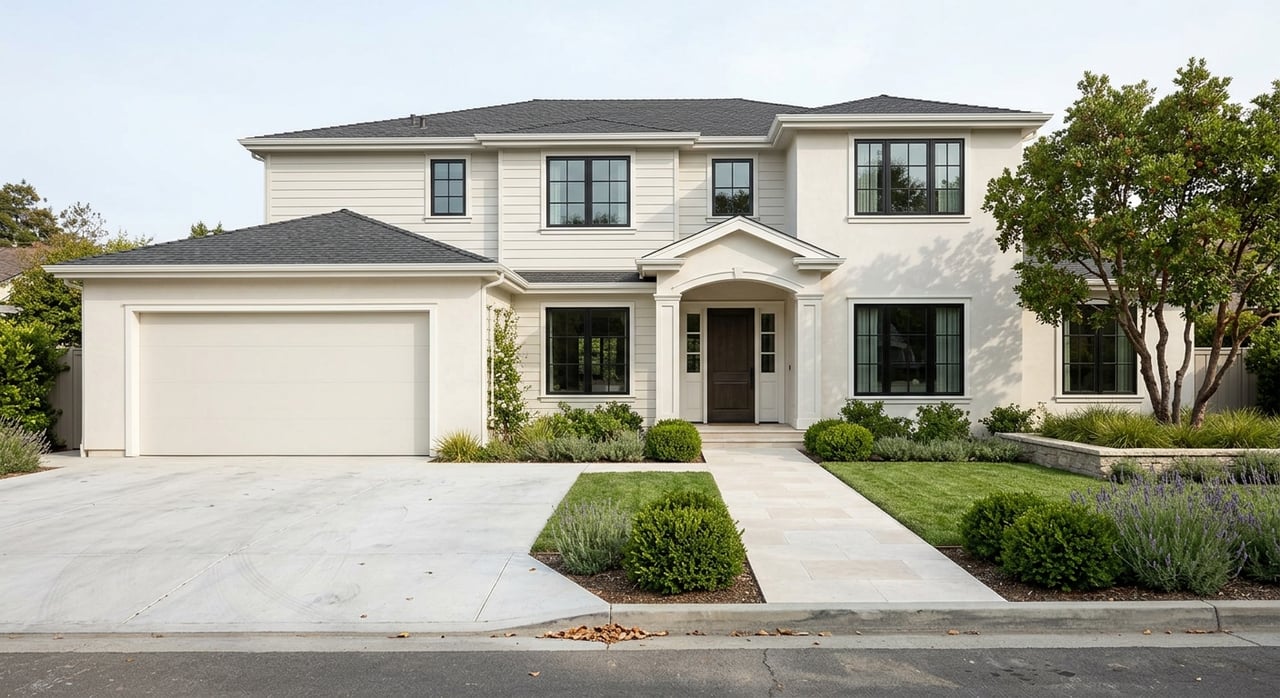
A detached house is usually the closest option to full control over the land and structure. The California Department of Real Estate explains that in a standard subdivision, one homeowner owns both the land and the building.
That extra control can matter if you want more privacy, more separation from neighbors, or more freedom to customize over time. You may also get a larger yard, more outdoor space, or a layout that better fits long-term needs.
In Foster City, detached homes can also offer more future flexibility. The city allows accessory dwelling units on single-family lots, subject to city permit rules. That can be useful if you are thinking about multigenerational living, rental income, or creating space for aging in place.
What you usually get with a townhome
Townhomes often appeal to buyers who want a lower price point and less exterior maintenance. In Foster City, that can be an attractive combination, especially in a fast-moving market where homes sell in about 14 days and receive about three offers on average.
In California, townhomes are commonly part of common-interest developments. The Department of Real Estate explains that these communities combine your exclusive ownership of the unit with shared ownership or use of common areas.
Those common areas may include roads, recreation facilities, patios, driveways, and parking spaces. In practical terms, that means a townhome can offer convenience and access to amenities, but it may also come with more rules about how certain spaces are used and maintained.
Ownership is not always as simple as it looks
One of the biggest mistakes buyers make is assuming detached means no HOA and townhome means full HOA control. The reality is more nuanced.
The California Department of Real Estate notes that detached homes can still be located inside a planned development with HOA-owned common areas and assessment power. So even if you buy a detached property, you still need to confirm whether an association is involved and what authority it has.
With townhomes, you also need to understand exactly what is private and what is shared. A patio, driveway, or parking area may be exclusive-use common area rather than land you fully own outright.
Maintenance is a major tradeoff
If you want a simpler day-to-day ownership experience, maintenance is one of the strongest reasons to consider a townhome. California law generally assigns common-area repair, replacement, and maintenance to the association, while the owner is usually responsible for the separate-interest unit itself, unless governing documents say otherwise.
For exclusive-use common areas, the owner usually maintains them, while the association usually handles repair and replacement unless the documents shift that responsibility. This is why reading the governing documents matters so much. Two communities that look similar can assign responsibilities very differently.
With a detached house, you usually take on more direct responsibility for the property. That can mean more freedom, but it also means more budgeting for upkeep, repairs, and long-term improvements.
HOA costs can change the math
A townhome may cost less upfront, but that does not automatically mean it costs less every month. The California Department of Real Estate advises buyers to factor in HOA dues, special taxes, and assessments when estimating total housing costs.
That is especially important in Foster City, where the sticker price gap between a house and a townhome can be narrowed by ongoing HOA dues, reserve contributions, and occasional special assessments. If reserves are not sufficient for major work, associations may use special or emergency assessments.
This does not make townhomes a bad choice. It simply means you should compare the full monthly picture, not just the purchase price.
Document review matters more for townhomes
If you are buying a common-interest property, due diligence goes beyond the home itself. California Civil Code requires the seller to provide key association documents, including governing documents, current regular and special assessment information, unpaid assessments and fines, approved but not-yet-due increases, rental restrictions if they exist, and, if requested, the last 12 months of approved board minutes.
This document package can tell you a lot. You may learn whether the HOA is planning major repairs, whether assessments are likely to rise, and whether there are rules that could affect how you use the property.
For many buyers, this is where an education-first approach is most valuable. A townhome can be a smart buy, but only if you understand what you are really purchasing beyond the walls of the unit.
Privacy and flexibility are key lifestyle questions
If you value more privacy, more separation, and more room to adapt the property over time, a detached house often fits better. That can be especially true if you want outdoor space, a larger footprint, or future options like an ADU on a single-family lot.
If you value convenience, a lower purchase price, and shared amenities, a townhome may be the better match. Foster City’s common-interest communities often pair well with the city’s broader amenity mix, including parks, open space, Bay Trail access, and lagoon-based recreation.
Neither option is universally better. The better choice is the one that matches your budget, ownership comfort level, and long-term plans.
Flood context should stay on your checklist
Because Foster City is a waterfront community, flood context is worth reviewing no matter what type of home you buy. The city says its levee system is certified by FEMA as protection from the 1% annual chance flood, and land within city limits remains in Zone X.
That means mandatory flood insurance is not required based on the city’s current status, but FEMA still encourages flood insurance purchase. Buyers should still treat insurance, maintenance, and long-term resilience as part of their due diligence.
This is another area where details matter more than assumptions. A home’s location, insurance costs, and community context can all affect your comfort level over time.
Questions to ask before you choose
Before you decide between a house and a townhome in Foster City, it helps to answer a few practical questions:
- Is the property part of a common-interest development?
- If there is an HOA, what do the CC&Rs, budget, reserve information, and recent board minutes say?
- What spaces are fully private, and what spaces are shared or exclusive-use common area?
- What are the true monthly costs beyond mortgage, taxes, and insurance?
- Do you want future flexibility for an ADU, multigenerational living, or a rental plan?
- How important are privacy, yard space, and control compared with convenience and shared amenities?
These questions can help you move past surface-level features and focus on the ownership experience you actually want.
Which option often fits best
A townhome often fits buyers who want a lower entry price and less exterior upkeep, and who are comfortable with HOA oversight and shared spaces. In Foster City, that can be a strong match for first-time buyers, busy professionals, or buyers who want access to community amenities without taking on full standalone home maintenance.
A detached house often fits buyers who want more privacy, more control over the lot, and more room for long-term customization. It can also be a better fit if future flexibility matters, especially for buyers considering ADU potential on a single-family lot.
In a market as competitive and expensive as Foster City, the smartest move is not chasing a label. It is understanding the real financial, legal, and lifestyle differences so you can choose the property type that supports your goals now and later.
If you want help comparing specific homes, reviewing HOA tradeoffs, or building a strategy around your budget and long-term plans, the Heather Lin Real Estate Team is here to help.
FAQs
What is the price difference between a house and townhome in Foster City?
- Recent Redfin data puts the median sale price at $2,253,854 for single-family homes and $1,440,283 for townhouses, so townhomes are roughly $800,000 less expensive at the median.
Do Foster City townhomes usually have HOA fees?
- Yes, many townhomes are part of common-interest developments, which typically include HOA dues and may also involve reserve contributions or special assessments.
Can a detached house in Foster City still have an HOA?
- Yes, a detached home can still be part of a planned development with HOA-owned common areas and assessment authority, so you should verify the ownership structure before buying.
Are townhomes in Foster City lower maintenance than houses?
- Often yes, because associations generally handle common-area maintenance and repair, but your exact responsibilities depend on the governing documents for that community.
Can you build an ADU on a Foster City property?
- Foster City allows ADUs on single-family lots subject to city permit rules, which can make detached homes more flexible for future living or rental plans.
Is flood insurance required for homes in Foster City?
- The city says land within city limits remains in Zone X, so mandatory flood insurance is not required, though flood insurance is still encouraged as part of buyer due diligence.
How fast is the Foster City housing market moving?
- Recent market data shows homes selling in about 14 days on average and receiving about three offers, which points to a relatively fast-moving market.